
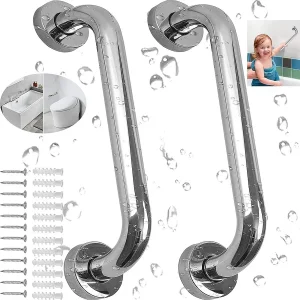
 1/2 Piece Bathroom Handrail, Safe and Accessible, Disabled and Elderly, Non Slip Toilet Handrail, Stainless Steel, Sturdy
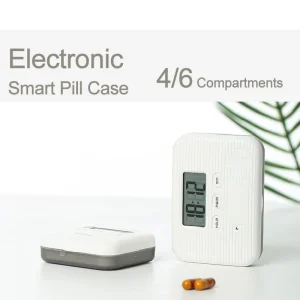 Smart Pill Organizer with 5 Alarms & Vibration – Blue or Gray, 4 or 6 Compartments
 Elderly-Friendly Weekly Pill Box - Easy-Open Sealed Clear Lid Organizer for Home Office Travel Medication
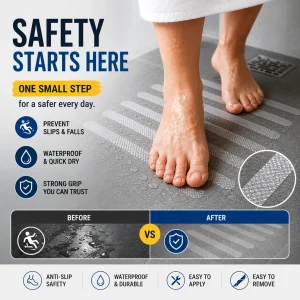 Anti-Slip Safety Strips for Shower, Bathtub & Stairs
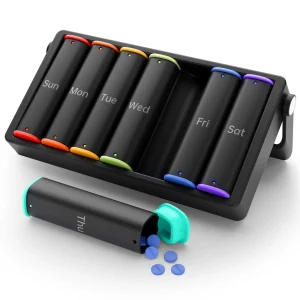 Large 7-Day Pill Organizer – Weekly Pill Box with Oversized Compartments
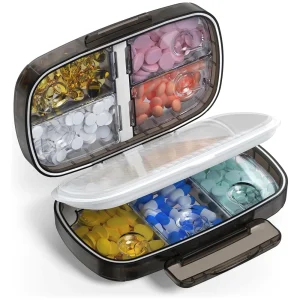 Waterproof Travel Pill Organizer – 8-Compartment Locking Pill Case for Seniors
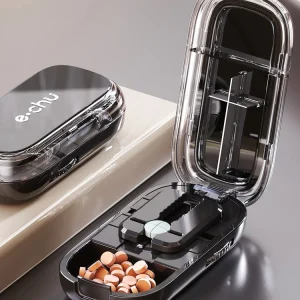 Adjustable Pill Cutter for Multiple Pills – Splits Up to 6 Tablets at Once
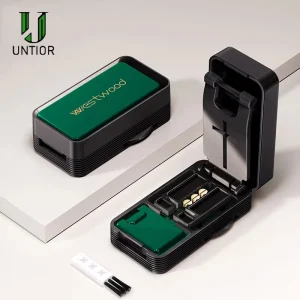 Pill Cutter with Sealed Storage – 2-in-1 Tablet Splitter and Pill Organizer
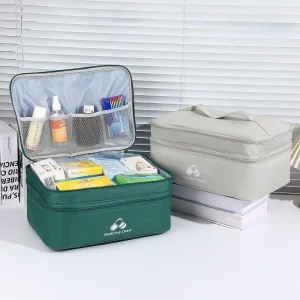 Double Layer Medicine Storage Bag – 3 Sizes, 4 Colors, Oxford Cloth
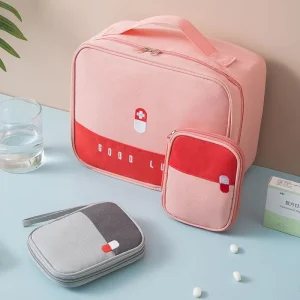 Portable First Aid Kit Bag – Waterproof Home, Car & Outdoor Medical Organizer
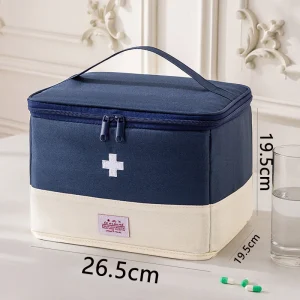 Foldable Medicine Organizer Bag – Lightweight Oxford Cloth, 6 Colors
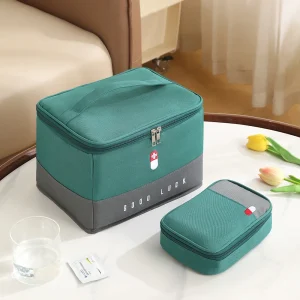 Waterproof Medicine Storage Bag – Large Capacity Home & Travel First Aid Organizer
Evidence-based content. Last updated: May 2026. Sources: CDC, NCOA, American Journal of Medicine, Dysphagia Research Society, FDA.
Every year, thousands of seniors choke on medication — not because they’re careless, but because swallowing pills becomes genuinely harder as we age. Muscle weakness, dry mouth from other medications, reduced saliva production, and neurological changes all make what sounds simple — swallowing a tablet — a real and underappreciated risk. For caregivers and family members, understanding this hazard and knowing how to reduce it can prevent a medical emergency.
How Common Is Pill-Related Choking in Older Adults?
- An estimated 40% of adults report difficulty swallowing pills at some point, with rates significantly higher in adults over 65 (Dysphagia Research Society)
- Dysphagia (difficulty swallowing) affects approximately 15% of community-dwelling older adults and up to 40–60% of nursing home residents (American Journal of Medicine)
- Choking and aspiration on medications are among the most underreported medication-related adverse events in elderly patients
- The FDA has received reports of deaths linked to large tablets or capsules becoming lodged in the esophagus — a risk that increases with age and dehydration
- Adults over 65 take an average of 4–5 prescription medications daily (NCOA) — each one a potential swallowing challenge
Why Swallowing Pills Gets Harder With Age

Reduced Saliva Production
Saliva lubricates the throat and helps tablets move safely past the airway. Many common medications — antidepressants, antihistamines, blood pressure drugs, and diuretics — have dry mouth as a side effect. When a senior is already on several of these, their ability to safely swallow additional tablets is significantly compromised.
Weakened Swallowing Muscles
The act of swallowing involves more than 30 muscles working in sequence. With normal aging, these muscles lose strength and coordination — a process called presbyphagia. Combined with neurological conditions like Parkinson’s disease, stroke, or dementia, the margin for safe swallowing narrows considerably.
Tablet Size and Shape
Many tablets — particularly combination medications and extended-release formulations — are large by design. Research published in the Annals of Family Medicine found that tablet size and shape were the most commonly cited reasons adults skip or split doses without medical guidance, increasing both choking risk and under-dosing risk simultaneously.
Taking Multiple Pills at Once
Caregivers and seniors often combine multiple tablets in a single swallow to reduce the number of swallowing events. While this feels efficient, taking multiple tablets at once significantly increases the choking risk — especially if pill sizes vary or if saliva production is already reduced.
Positioning During Medication
Taking medication lying down, leaning back, or while distracted are common habits that dramatically increase the risk of a tablet going down the wrong way. The safest swallowing position is upright, chin slightly tilted forward — the opposite of how many bedbound seniors take their morning medications.
What Happens When a Pill Is Swallowed Wrong
The immediate risk is choking — the tablet blocks the airway. But there is also a serious secondary risk: aspiration, where the tablet or a fragment enters the lungs instead of the stomach. Aspiration can cause aspiration pneumonia, which is a leading cause of hospitalization and death in older adults. Unlike a dramatic choking event, aspiration can happen silently — the senior may not cough, and no one may realize anything went wrong until pneumonia develops days later.
Tablets lodged in the esophagus (esophageal impaction) are another underreported complication, causing pain, ulceration, and in rare cases perforation. This risk is highest with large tablets taken without enough water.
How to Reduce the Risk: Practical Steps
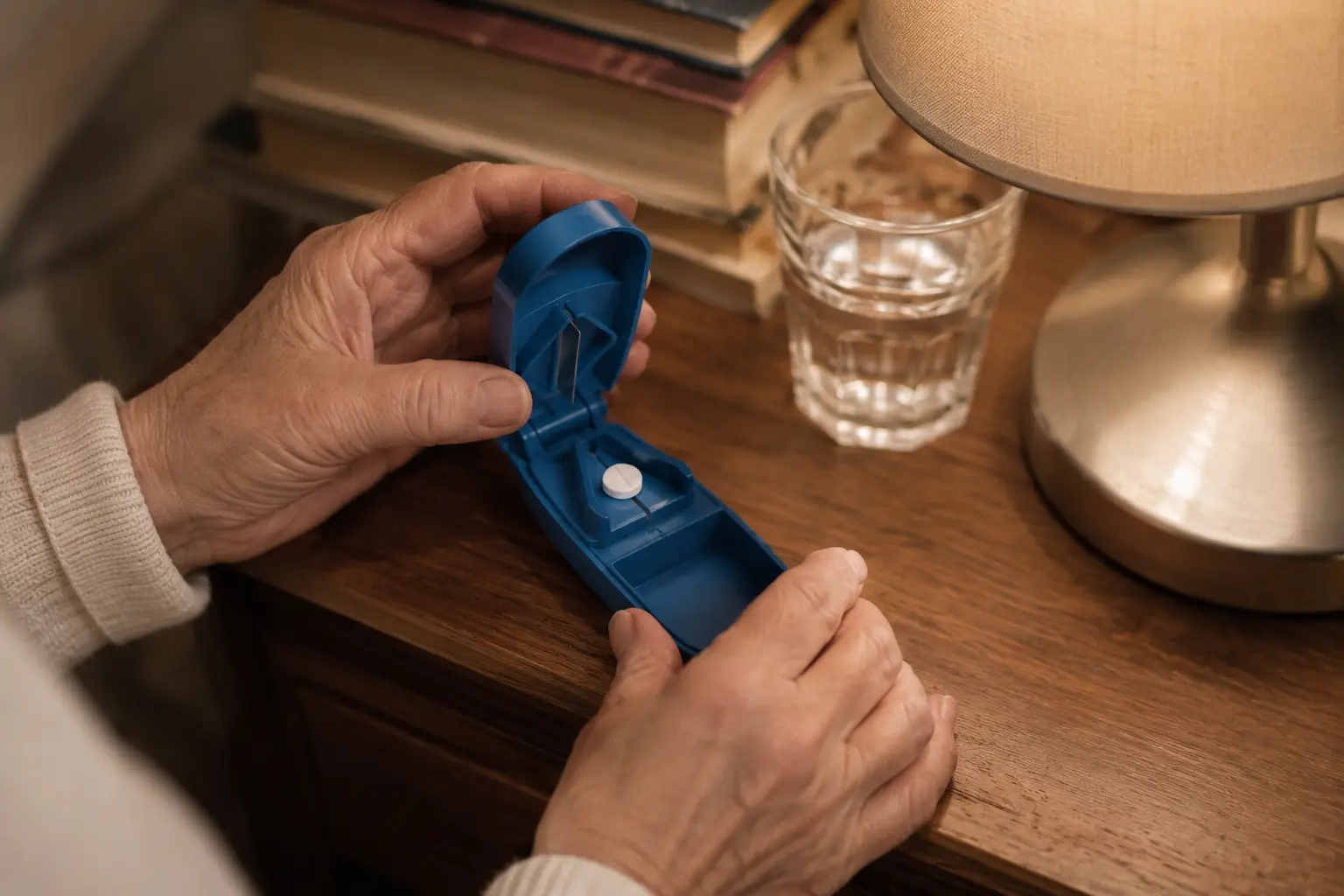
1. Use a Pill Splitter for Large Tablets
For medications that are safe to split (always confirm with your pharmacist first), cutting a large tablet in half or quarters dramatically reduces choking risk. A precision splitter produces clean cuts without the crumbling and fragment scatter that come from knife-cutting or twisting tablets apart by hand.
Recommended Product
3-in-1 Pill Splitter – Cut Tablets Into Halves, Thirds or Quarters
Most pill splitters only cut in half — this one handles halves, thirds, and quarters with a food-grade precision blade. An integrated tray keeps cut pieces secure so no dose is lost. Compact enough for a bedside table or travel kit.
- 3 cutting modes for accurate dose adjustment
- Food-grade blade — contamination-free
- Built-in storage tray keeps fragments together
Recommended Product
Pill Cutter with Sealed Storage – 2-in-1 Tablet Splitter and Pill Organizer
Cuts tablets into halves or quarters and seals the pieces inside a built-in storage compartment — all in one pocket-size device. No loose fragments on the counter, no separate container needed.
- Precision blade for clean half and quarter cuts
- Sealed compartment keeps pieces secure until taken
- Compact daily carry — fits in any pocket or pill bag
2. Take One Tablet at a Time
Never combine multiple tablets in a single swallow. One tablet, one swallow, followed by a full sip of water. This is especially important for larger tablets and for seniors with any known swallowing difficulty. The few extra seconds this takes are worth it.
3. Drink Plenty of Water — Before and After

Take a sip of water before placing the tablet in the mouth to pre-lubricate the throat. Then swallow with a full glass (at least 240ml / 8oz) of water. Many seniors sip just enough to “wash it down” — this is insufficient, especially for large tablets or when dry mouth is a factor.
4. Sit Fully Upright
Always take medication sitting fully upright or standing. After swallowing, remain upright for at least 30 minutes. This is particularly important for bisphosphonates (osteoporosis medications) and NSAIDs, which can cause esophageal ulceration if they sit against the esophageal wall.
5. Ask About Alternative Formulations
Many medications are available in liquid, chewable, dissolvable (orally disintegrating), or patch form. If a senior consistently struggles with a particular tablet, ask the prescribing doctor or pharmacist whether an alternative formulation exists. This is especially worth exploring for daily medications taken long-term.
6. Never Crush Without Checking First
Crushing a tablet to mix with food or a drink seems like a simple solution — but crushing extended-release or enteric-coated tablets can release the entire dose at once, causing dangerous overdose. The ISMP (Institute for Safe Medication Practices) maintains a “Do Not Crush” list of hundreds of medications that must never be crushed or split. Your pharmacist can tell you which medications on a senior’s list are on this list.
Caregiver Checklist: Medication Swallowing Safety
- ☐ Confirm with pharmacist which tablets are safe to split or crush
- ☐ Use a precision pill splitter for oversized scored tablets
- ☐ Give one tablet at a time — never multiple tablets in one swallow
- ☐ Always give a full glass of water (not just a sip)
- ☐ Senior is seated upright before and during medication
- ☐ Check for dry mouth — if present, discuss with doctor
- ☐ Ask about liquid or dissolvable alternatives for problem medications
- ☐ Never crush medications without pharmacist confirmation
- ☐ Watch for silent signs of aspiration: recurring cough after meals, unexplained fever, wet-sounding voice
- ☐ If swallowing problems are worsening, request a swallowing assessment (speech-language pathologist referral)
When to See a Doctor About Swallowing Difficulties
Occasional difficulty swallowing a large tablet is common and manageable with the steps above. But persistent or worsening swallowing difficulty (dysphagia) is a medical symptom, not just an inconvenience. Seek medical evaluation if the senior:
- Regularly coughs or gags while swallowing tablets or food
- Reports food or pills “sticking” in the throat or chest
- Has unexplained weight loss linked to avoiding eating or taking medications
- Has a history of stroke, Parkinson’s disease, or dementia — all of which increase dysphagia risk significantly
- Develops recurring chest infections or pneumonia without a clear cause
A speech-language pathologist can conduct a formal swallowing assessment and recommend appropriate strategies, textures, and exercises.
Recommended Product
Adjustable Pill Cutter for Multiple Pills – Splits Up to 6 Tablets at Once
For caregivers doing weekly medication prep, this batch cutter handles 6–7 pills per press with an adjustable alignment slot for pills from 5mm to 12mm. Stainless steel blade, hidden safety design, built-in storage for the immediate dose.
- Batch cutting — 200 tablets in 15 minutes
- Adjustable slot fits 5mm–12mm tablets
- Hidden stainless steel blade — safe storage between uses
Frequently Asked Questions
Is it safe to split any tablet to make it easier to swallow?
No. Only tablets confirmed safe to split by your pharmacist should be cut. Extended-release (ER, XR, SR), enteric-coated, and most capsules must never be split. Scored tablets (with a visible dividing line) are generally designed to be split. Always ask before cutting any medication you haven’t confirmed with a pharmacist.
What is the safest way for a senior to swallow a large pill?
Sit fully upright. Take a sip of water first to lubricate the throat. Place the tablet on the back of the tongue. Tilt the chin slightly down (not up — tilting back actually increases aspiration risk). Swallow with a full glass of water. Stay upright for 30 minutes afterward.
Can dysphagia be treated?
Yes — a speech-language pathologist can assess the severity of swallowing difficulty and provide exercises, behavioral strategies, and recommendations for modified food and liquid textures. Many causes of dysphagia in older adults are manageable with the right intervention. Early assessment leads to better outcomes.
What are the signs that a senior has silently aspirated a pill?
Silent aspiration has no immediate obvious signs — no coughing, no gagging. Watch for: a recurring wet or gurgling voice after swallowing, unexplained fever in the days following a medication event, or the development of aspiration pneumonia (symptoms: fever, productive cough, chest discomfort, rapid breathing). If you suspect aspiration, seek medical attention promptly.
Are there medications that should always be swallowed whole?
Yes — the ISMP Do Not Crush list includes hundreds of commonly prescribed medications. These include most extended-release formulations, enteric-coated tablets (designed to dissolve in the intestine, not the stomach), and many psychiatric and cardiac medications. Your pharmacist can review the full medication list and flag any that must be taken whole.