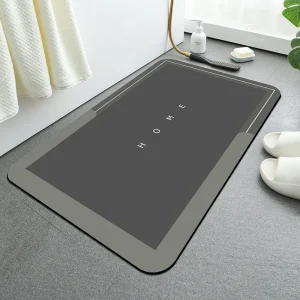
 1pc 40*60cm Super Absorbent Floor Mat For Bathroom Non Slip, Fast Drying Soft, Carpet Shower Tub Outdoor Doormat
 Pill Cutter with Sealed Storage – 2-in-1 Tablet Splitter and Pill Organizer
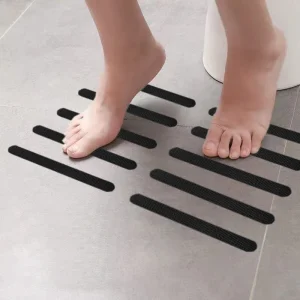 24 Pieces of Black Anti-Slip Tape, 2cm X 25cm, Bathroom Anti-Slip Tape, No Cutting Required, Self-Adhesive, Suitable for Indoor/Outdoor Stairs, Bathtubs, Boats, Swimming Pools, Stair Steps, Safety Anti-Slip Tape
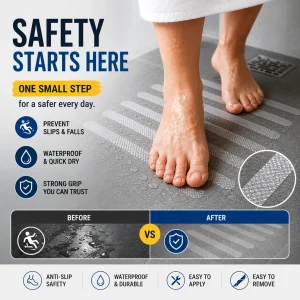 Anti-Slip Safety Strips for Shower, Bathtub & Stairs
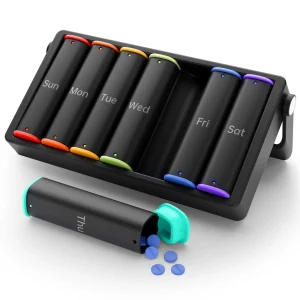 Large 7-Day Pill Organizer – Weekly Pill Box with Oversized Compartments
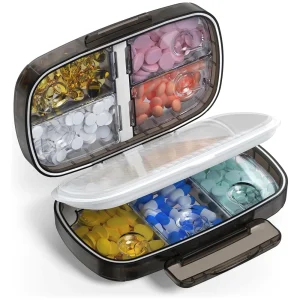 Waterproof Travel Pill Organizer – 8-Compartment Locking Pill Case for Seniors
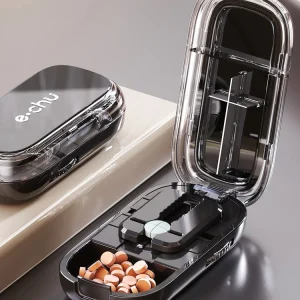 Adjustable Pill Cutter for Multiple Pills – Splits Up to 6 Tablets at Once
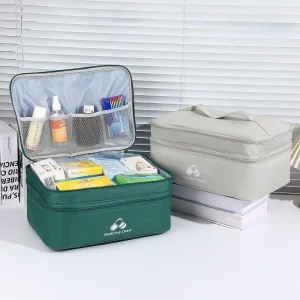 Double Layer Medicine Storage Bag – 3 Sizes, 4 Colors, Oxford Cloth
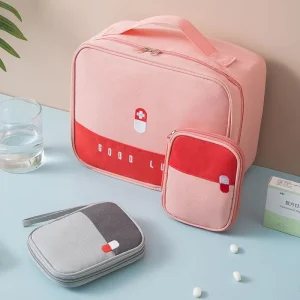 Portable First Aid Kit Bag – Waterproof Home, Car & Outdoor Medical Organizer
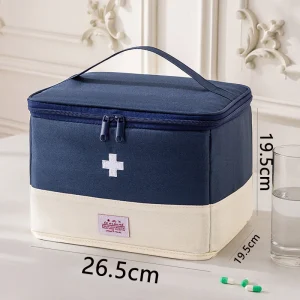 Foldable Medicine Organizer Bag – Lightweight Oxford Cloth, 6 Colors
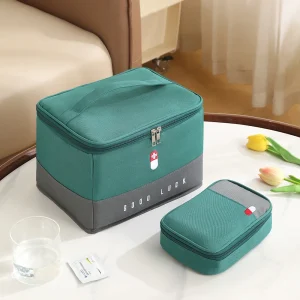 Waterproof Medicine Storage Bag – Large Capacity Home & Travel First Aid Organizer
Medically reviewed content. Last updated: May 2026. Sources: CDC, WHO, National Council on Aging.
Falls are the leading cause of fatal and non-fatal injuries among adults aged 65 and older in the United States. According to the Centers for Disease Control and Prevention (CDC), more than 800,000 patients are hospitalized each year because of fall injuries — most commonly for hip fractures and traumatic brain injuries.
The World Health Organization (WHO) ranks falls as the second leading cause of accidental death worldwide, responsible for an estimated 684,000 deaths annually.
What surprises most people: the majority of fall injuries don’t happen outdoors. They happen inside the home — in bathrooms, on stairs, in kitchens, and in hallways. These are everyday spaces that families assume are safe.
This guide explains where and why home falls happen, who is most at risk, and what specific steps prevent them.
Home Fall Statistics: What the Data Shows
Understanding the scale of the problem helps explain why fall prevention matters:
- 1 in 4 Americans aged 65+ falls each year (CDC, 2024)
- Over 38,000 older adults die annually from fall-related injuries in the U.S.
- Falls cost the U.S. healthcare system $50 billion per year — $754 per fall on average, with hip fractures exceeding $30,000 per incident
- The bathroom is the most common location for fall injuries inside the home
- 80% of falls in the home occur in the bathroom, on stairs, or in the kitchen
- For children under 5, falls are the #1 cause of non-fatal injuries treated in emergency departments
- After a hip fracture, only 25% of seniors fully recover — the rest require long-term care or lose independence permanently
These numbers make one thing clear: fall prevention is not optional — it’s one of the most impactful safety investments any household can make.
Where Do Most Falls Happen at Home?
Research consistently identifies five areas where home falls occur most frequently. Each has specific risk factors and proven prevention strategies.
1. Bathroom (Highest Risk)
The bathroom is the most dangerous room in any home for slip-and-fall accidents. The combination of hard surfaces, constant moisture, smooth porcelain, and soap residue creates conditions where even healthy adults lose their footing.
Specific bathroom fall risks include:
- Wet bathtub and shower floors (porcelain has near-zero friction when wet)
- Ceramic tile floors that become slippery within seconds of water contact
- Stepping in and out of the bathtub (requires balance and grip)
- Standing up from the toilet (especially for seniors with limited mobility)
- Soap, shampoo, and conditioner residue on surfaces
Proven prevention measures:
- Apply anti-slip safety strips inside the bathtub and on bathroom floor tiles. These waterproof PEVA strips add textured grip without changing the look of the surface.
- Install shower grab bars near the bathtub, inside the shower, and beside the toilet. Suction-cup models require no drilling.
- Use a non-slip bath mat outside the tub to catch water on exit
- Add a motion-sensor night light for nighttime bathroom visits
2. Stairs (Most Severe Injuries)
While bathrooms cause the most falls overall, stair falls cause the most severe injuries. A slip on stairs often means falling multiple steps, leading to fractures, spinal injuries, and head trauma.
The National Safety Council reports that stairs and steps are involved in over 1 million injuries per year in the United States.
Common stair fall causes:
- Smooth, worn, or polished stair surfaces
- Missing, loose, or inadequate handrails
- Poor lighting — especially at night
- Carrying objects that obscure vision of the steps
- Socks or smooth-soled shoes on hardwood stairs
Proven prevention measures:
- Apply non-slip stair treads to every step. Self-adhesive treads provide traction and cushioning without permanent modification.
- Ensure handrails are installed on both sides and extend the full length of the staircase
- Install motion-activated lights at the top and bottom of every staircase
- Keep all steps free of clutter, shoes, and loose objects
3. Kitchen
Kitchens have constantly changing slip conditions. Water from the sink, cooking grease near the stove, dropped food, and spilled liquids create hazards that appear and disappear throughout the day.
Proven prevention measures:
- Place anti-slip strips in front of the sink, stove, and refrigerator
- Wipe up all spills immediately — even small amounts of water on smooth flooring are dangerous
- Store frequently used items at waist height to eliminate reaching and climbing
- Use a sturdy step stool with a handrail when accessing high shelves
4. Hallways and Entryways
Entryways are transition zones where wet shoes meet smooth floors. Hallways often lack adequate lighting, particularly at night. Loose rugs, trailing cords, and shoes left in the walkway are common tripping hazards.
Proven prevention measures:
- Install motion-sensor night lights in every hallway and entryway
- Remove all loose rugs or secure them with non-slip rug pads
- Keep walkways completely clear of clutter, cords, and shoes
- Apply anti-slip strips near exterior doors where wet shoes enter
5. Bedroom
Nighttime trips to the bathroom are a major fall risk for seniors. Disorientation, darkness, tangled bedding, and loose slippers contribute to falls between the bed and bathroom.
Proven prevention measures:
- Place a motion-sensor light between the bed and bathroom door
- Ensure the nighttime path is completely free of obstacles
- Keep a phone within reach of the bed
- Consider a bedside grab bar for anyone who needs assistance standing
Who Is Most at Risk for Falls at Home?
Adults Over 65
Age is the single strongest risk factor for falls. After age 65, fall risk increases every year due to:
- Reduced muscle strength and balance — sarcopenia (age-related muscle loss) begins around age 30 and accelerates after 60
- Vision changes — aging eyes need 2–3 times more light, and depth perception decreases
- Medication side effects — blood pressure medications, sedatives, and antidepressants can cause dizziness
- Chronic conditions — arthritis, diabetes, Parkinson’s disease, and stroke all increase fall risk
- Cognitive decline — reduced reaction time and spatial awareness
By age 80, one in three adults will experience at least one fall per year. For those who fall once, the risk of falling again doubles.
Children Under 5
Young children are naturally unsteady and unaware of hazards. The most common fall scenarios for children:
- Slipping on wet bathroom floors after bath time
- Falling on stairs without gates or adequate supervision
- Running on smooth floors in socks
- Climbing on unsecured furniture
People with Mobility Limitations
Anyone recovering from surgery, managing a chronic condition, or using mobility aids (walkers, canes) faces elevated fall risk. Bathrooms and stairs are the primary danger zones for this group.
Room-by-Room Fall Prevention Checklist
Use this checklist to systematically address fall hazards throughout your home:
Bathroom
- Anti-slip strips applied inside bathtub and shower
- Anti-slip strips or mat on bathroom floor tiles
- Grab bars installed near toilet, in shower, and beside bathtub
- Night light for nighttime bathroom visits
- Non-slip bath mat outside the tub or shower
- All soap and shampoo residue cleaned regularly from floor surfaces
Stairs
- Non-slip treads applied to every step
- Sturdy handrails on both sides, full staircase length
- Adequate lighting at top, bottom, and along the staircase
- No clutter, shoes, or loose objects on any step
- Child safety gates installed (if children under 4 are present)
Kitchen
- Anti-slip strips near sink, stove, and refrigerator
- Immediate cleanup protocol for all spills
- Frequently used items stored at waist height
- Step stool with handrail available for high shelves
Hallways and Entryways
- Motion-sensor night lights installed
- All loose rugs removed or secured with non-slip backing
- Walkways free of cords, shoes, and clutter
- Adequate lighting at all transitions between rooms
Bedroom
- Clear, unobstructed path from bed to bathroom
- Night light near the bed or along the path
- No loose cords or rugs near the bed
- Phone within reach from bed
How Much Does Fall Prevention Cost vs. Fall Treatment?
Fall prevention is one of the highest-return safety investments a family can make. Here’s what prevention costs:
Prevention Costs
- Anti-slip safety strips (bathtub + floors) — Under $20
- Shower grab bars (suction-cup) — Under $30
- Non-slip stair treads (full staircase) — Under $40
- Motion-sensor night lights (3-pack) — Under $15
Total to fall-proof your entire home: Under $105
What a Fall Costs Without Prevention
- Emergency room visit — $3,500 average
- Hip fracture hospitalization — $30,000+
- Traumatic brain injury treatment — $76,000+
- Assisted living — $4,500 per month
For less than $105, you can address the most common fall hazards in your entire home. A single ER visit costs 30 times more.
Start Today: The 3 Most Impactful Changes
You don’t need to overhaul your entire home at once. Research shows that addressing these three areas prevents the majority of home fall injuries:
- The bathtub and shower. Apply anti-slip safety strips and install a grab bar. This single change prevents more bathroom falls than any other intervention.
- The stairs. Add non-slip stair treads and ensure adequate lighting at both ends.
- Nighttime pathways. Install motion-sensor night lights between bedrooms and bathrooms.
These three steps take less than 30 minutes to implement and cost under $75 combined. They address roughly 80% of the fall risk in a typical home.
Your family’s safety is worth 30 minutes.
Browse all home safety products at ParentProofHome.com
Frequently Asked Questions
What is the most common cause of falls at home?
Slipping on wet surfaces — particularly in the bathroom — is the most common cause of falls inside the home. Wet bathtubs, shower floors, and ceramic tile are the highest-risk surfaces.
How can I prevent my elderly parent from falling at home?
The three most effective steps are: (1) install anti-slip strips in the bathroom and on stairs, (2) add grab bars near the toilet and in the shower, and (3) improve lighting throughout the home with motion-sensor night lights. Also review their medications with a doctor, as many common prescriptions cause dizziness.
Are anti-slip strips better than bath mats?
For fall prevention, anti-slip strips are generally more effective than traditional bath mats. Bath mats can collect mold, curl at the edges (creating a tripping hazard), and slide on wet floors. Anti-slip strips adhere directly to the surface, stay flat, resist mold, and provide consistent traction.
What should I do if someone falls at home?
If the person is conscious and not in severe pain, help them stay calm and assess for injuries before attempting to stand. If they cannot get up, are confused, or show signs of a head injury, call 911 immediately. Do not attempt to lift an injured person — wait for medical professionals.
How much does it cost to fall-proof a home?
Basic fall prevention for the most common hazard areas (bathroom, stairs, hallways) costs under $105 using anti-slip strips, grab bars, stair treads, and motion-sensor lights. This is a fraction of the $3,500+ average cost of a single fall-related ER visit.
Recommended Product
Anti-Slip Safety Strips for Bathtub, Shower & Stairs
The easiest single upgrade you can make: peel-and-stick non-slip strips that add grip to every high-risk surface in minutes. Non-toxic PEVA, waterproof adhesive, available in clear so they blend right in.
- Installs in under 5 minutes — no tools needed
- Works on bathtubs, showers, tile floors & stairs
- Safe for seniors, kids & pets